


Fleet GPS Tracking Cost in 2026: What You'll Actually Pay
Key Takeaways
-
01 Hardware costs run $39.95 to $399.95 per device, depending on the tracker type and how it installs.
-
02 Monthly data plans range $8.95 to $49.95 per vehicle, tiered by how often the device updates.
-
03 Market-wide platforms charge $10 to $95 or more per vehicle each month, with AI dashcams pushing the top end.
-
04 Fleet size unlocks bulk pricing, so your per-vehicle cost usually drops as your fleet grows.
-
05 No-monthly-fee trackers trade a higher upfront price for zero ongoing subscription.
-
06 Fuel savings alone typically cover the monthly cost within the first 90 days, before you count anything else.
How Much Does Fleet GPS Tracking Really Cost in 2026?
I've priced out how much fleet GPS tracking costs for businesses running two trucks and businesses running two hundred, and the question is always the same: what's this actually going to cost me, all in?
After more than 15 years working with fleet GPS pricing and deployment, here's the short version. Hardware runs $39.95 to $399.95 per device. Monthly data plans run $8.95 to $49.95 per vehicle. And if you look at the wider market, full telematics platforms charge anywhere from $10 to $95 or more per vehicle every month, with the high end reserved for AI dashcams and driver scoring.
In this guide, I'll break down exactly what goes into fleet GPS tracking cost, show you real pricing by device type, and walk through what actually moves the number up or down for your fleet. No vague ranges pulled from nowhere, just the numbers I'd give a friend asking me before they buy. Let's start with what you're actually paying for.
Recommended for This Guide
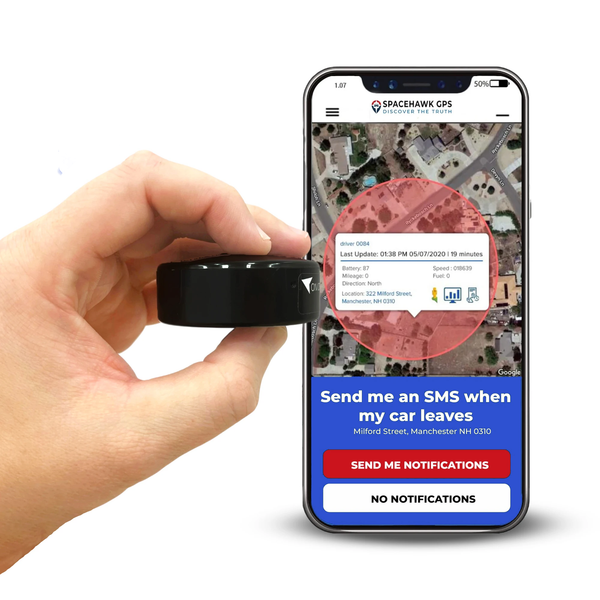
SpaceHawk Mini GPS Tracker
The tracker most fleets start with when they want real-time location without a big upfront commitment.
See how SpaceHawk GPS send the real-time location of fleet vehicle on your phone

What Goes Into Fleet GPS Tracking Cost
Fleet GPS tracking cost breaks into three buckets: the hardware device itself, the monthly data or software plan, and how it gets installed. Miss one of these and your budget is going to be wrong.
Each bucket works a little differently, and none of them are optional. You need a physical device, you need a data plan to move that location data somewhere you can see it, and you need to get the device onto the vehicle.

How each one plays out:
Hardware: The One-Time Cost
The device itself is usually the smallest recurring worry, because you pay it once (or once per vehicle, if you're outfitting a whole fleet). Prices range from under $40 for a basic magnetic tracker up to $400 for a dash cam with built-in GPS and AI driver monitoring. Most fleet managers land somewhere in the middle, around $100 to $250 per vehicle.
Monthly Data & Software: The Recurring Cost
Update frequency drives this number more than anything else, and it's the part that quietly adds up over a year. A tracker that reports every 3 minutes costs less per month than one reporting every 3 seconds. That's not a gimmick, it's just more cellular data changing hands more often.
Installation Type: What You're Actually Attaching
Every tracker on the market falls into one of three install types, and this decision affects both your upfront cost and how much control you have over the device later.
- Magnetic/portable (no tools, no wiring, moves between vehicles in seconds)
- OBD2 plug-and-play (plugs into the diagnostic port under the dash, no professional install needed)
- Hardwired (wired directly into the vehicle's electrical system, usually needs a technician)
Once you know which install type fits your fleet, the hardware pricing makes a lot more sense. Let's look at real numbers by tracker type.
Hardware Cost by Tracker Type
| Tracker | Type | Price | Data Plan |
|---|---|---|---|
| SpaceHawk Mini | Magnetic/Portable | $39.95 | $19.95–$49.95/mo (by update speed) |
| OutLaw Magnetic | Magnetic/Portable | $99.95 | $9.95/mo (2-yr plan) to $19.95/mo |
| Everlast | Magnetic/Portable, long battery | $149.95 | $17.99–$29.99/mo |
| Konnect OBD2 | OBD2 Plug-and-Play | $199.95 | Free 1st year, then $8.95/mo |
| LandAirSea (no-fee) | Magnetic/Portable | $249.00 | Free 1st year, then $19.95–$49.95/mo if upgraded |
| Hardwired with Kill Switch | Hardwired | $249.95 | $14.95/mo |
Prices shown are current sale pricing as of September 2026 and can change, so check the product page for today's rate before you buy.
Portable & Magnetic Trackers

These are the cheapest way in, and I mean that as a compliment. A magnetic tracker like SpaceHawk mini sticks under a vehicle in seconds, no tools, no downtime. The trade-off is real, though: a magnetic mount can come loose on rough roads or long highway stretches in a way a hardwired unit never will.
If you're testing GPS tracking for the first time or you move the device between vehicles often, this is where to start.
OBD2 Plug-and-Play Trackers
Plug it into the diagnostic port under the dash and you're tracking. No installer, no wiring, and it pulls power straight from the vehicle so there's no battery to charge. Konnect OBD ii GPS comes with no monthly fee first year at all, which makes the real cost look a lot better once you spread it out.
Hardwired Trackers
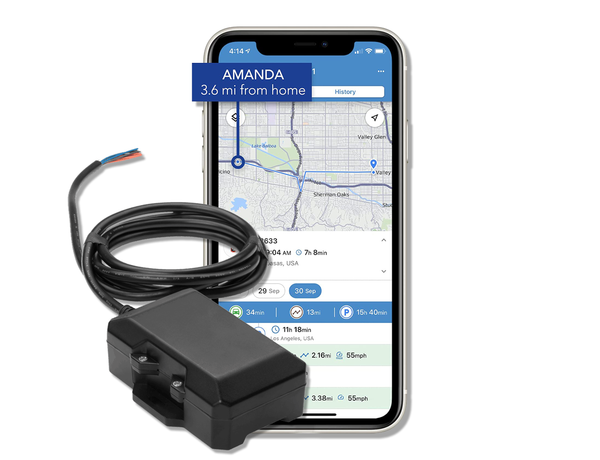
Recommended for this guide continued: for higher-risk fleets, a hardwired tracker with a kill switch adds real teeth. You can shut down a stolen vehicle's starter remotely, which is something a magnetic tracker simply can't do.
Monthly Software/Data Plan Cost
Fleet1st's own data plans run $8.95 to $49.95 per vehicle per month, and the number you land on depends almost entirely on update frequency and device type. A 3-minute update tier costs less than a 3-second tier because the tracker is talking to the cellular network far less often.
Zoom out to the wider market and you'll see the same shape at a bigger scale:
| Tier | Monthly Cost (per vehicle) | What's Included |
|---|---|---|
| Basic Tracking | $10–$25 | Real-time location, geofencing, breadcrumb history |
| Mid-Tier Telematics | $25–$55 | + Route optimization, idle alerts, maintenance scheduling, engine diagnostics |
| Advanced Systems | $55–$95+ | + AI dashcams, driver behavior scoring, compliance tools |
Fleet1st's plans sit at the affordable end of that Basic to Mid-Tier range. In short: you're getting real-time tracking and geofencing for less than what a lot of enterprise platforms charge just for the basics.
What Changes the Price

The numbers above are a starting point, not the final word. Four things move your actual cost up or down.
Fleet Size & Bulk Pricing
The bigger your fleet, the more leverage you have. Bulk pricing isn't just a headcount discount, it's a volume commitment. Order 10 devices at once and most providers will work with you on a per-unit rate that a single buyer never sees. A 12-truck HVAC fleet I priced out last year locked in a rate that cut their per-vehicle hardware cost by nearly 20% simply because they ordered as one batch instead of one at a time. If you're scaling past 15 or 20 vehicles, it's worth calling for a custom quote instead of buying one at a time.
AI Dashcam Add-On Cost
Want video evidence along with location data?
Fleet1st's dash camera with GPS tracking runs $399.95, with a data plan of $39.95 per month. That's a real jump over a standalone tracker, and it's exactly why "advanced tier" pricing runs so much higher across the industry. You're paying for the camera hardware, the AI that detects distracted driving, and the cloud storage for the footage.
No-Monthly-Fee vs. Subscription Trade-Off
Trackers like LandAirSea skip the monthly fee entirely for the first year, folding that cost into a higher upfront price instead. It sounds like the pricier option on paper, but the math doesn't always agree.
Quick Math: SpaceHawk vs. LandAirSea Over 3 Years
- SpaceHawk Mini: $39.95 hardware + $19.95/month × 36 months = $758.15
- LandAirSea: $249.00 hardware, free first year, then $19.95/month × 24 months = $727.80
Counter-intuitive result: the "expensive" no-fee tracker actually costs about $30 less over three years once that free first year is factored in. If you'd rather pay once and think about it less, that trade makes sense. If you want the lowest possible entry point and don't mind a monthly bill, the cheaper hardware still wins for year one.
Not every fleet needs a subscription. If a one-time purchase with zero recurring costs sounds better for your budget, in this guide I will breakdown of the top no-monthly-fee GPS trackers worth considering.
See No-Monthly-Fee TrackersBuy vs. Rent
Most fleet operators buy outright, and for good reason. But if you're testing GPS tracking on a short-term project, or your fleet size changes seasonally, renting or month-to-month plans without a long-term contract can make more sense than committing to hardware you might not need in six months.
Is It Worth It? The Cost-Offset Side

Yes, for most fleets. According to the U.S. General Services Administration, activating telematics across its federal fleet drove real, measurable savings, avoiding roughly $1.5 million in installation costs alone once devices were switched on.
Fuel is where the everyday savings show up fastest: the U.S. Department of Energy's Alternative Fuels Data Center estimates unnecessary vehicle idling wastes more than $11 billion in fuel nationally every year, and that's exactly the kind of waste real-time GPS tracking exposes and lets you fix.
I won't re-run the full ROI math here, since I've already broken it down step by step in my guide on tracking your fleet in real time. But the short version: once you're watching idle time, cutting unauthorized stops, and catching risky driving before it becomes a claim, the tracking cost stops feeling like an expense and starts looking like the cheapest insurance policy you'll ever buy.
Conclusion
Fleet GPS tracking cost comes down to three numbers: what the hardware costs once, what the monthly plan costs every month, and how those two shift based on fleet size, device type, and add-ons like dashcams. Fleet1st's own pricing sits at the affordable end of the market range you'll find anywhere else, without hidden fees tacked on after the fact.
Now that you know what to actually expect, the next step is picking the device that fits how your fleet operates. Whether that's a magnetic tracker you can move between vehicles or a hardwired unit with a kill switch, you're going in with real numbers instead of a guess.
One Flat Price, Zero Hidden Fees
Different Assets Need Different Trackers
See All GPS Tracking Solutions from Fleet1st
 Buy on Amazon