


Can I Legally Track My Employee’s Vehicle? Employee Tracking Laws
Key Takeaways
-
01 Employers can legally track company-owned vehicles used for legitimate business during active work hours.
-
02 Tracking employee-owned vehicles without explicit consent creates serious privacy and legal compliance risks.
-
03 Written GPS tracking policies help businesses avoid lawsuits and employee distrust before problems start.
-
04 Multi-state fleets should follow the strictest employee GPS tracking laws across all operating locations.
-
05 Transparent GPS tracking practices protect vehicles while reducing employee privacy concerns and workplace conflict.
What U.S. Employers Need To Know About GPS Tracking Laws in 2026
If you’re asking, “can I legally track my employee’s vehicle,” you’re already doing the right thing: asking before slapping a tracker under a bumper and hoping nobody notices.
I’m Ryan Horban, and after 15+ years testing GPS tracking systems across construction fleets, rental yards, service trucks, and field operations, I can tell you this: GPS tracking can absolutely protect your business but it can also create serious employee privacy and legal problems if you handle it the wrong way.
In this guide, I’ll break down when employee vehicle tracking is legal, when consent is required, how GPS tracking laws change by state, and the smartest ways to track company vehicles without creating lawsuits, HR chaos, or employee distrust.
Let’s get into the real-world rules employers actually need to know.
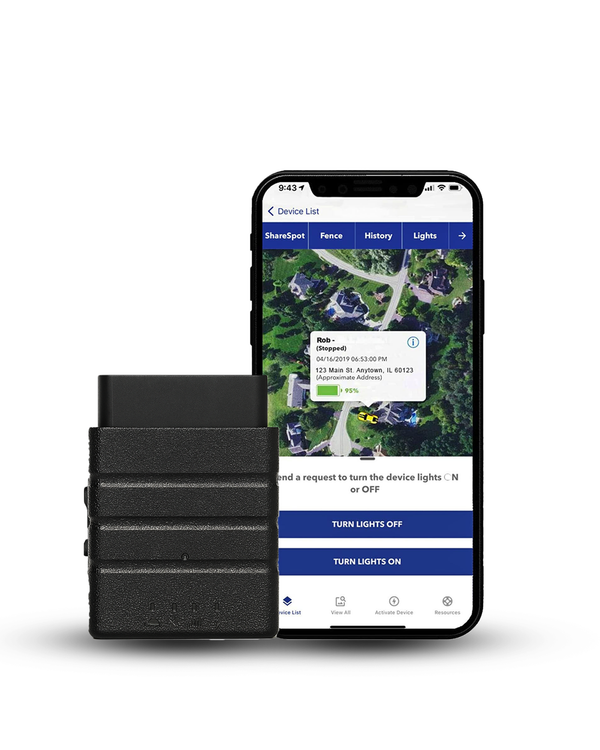
Recommended for this guide
Plug In. Track Legally.
Plug into any OBD-II port in seconds and track company vehicles legally with real-time updates, geofence alerts, trip history, and smarter fleet visibility.
How Konnect OBD2 GPS tracker works, plug in and track your vehicle in under 60 seconds
Can I Legally Track My Employee’s Vehicle?
Yes, employers can usually legally track company-owned vehicles when the reason is tied to legitimate business purposes like dispatching, theft recovery, routing, safety, proof of service, or operational efficiency in most U.S. states as long as it's for a valid business purpose and they comply with state and federal regulations. But tracking an employee's personal vehicle without consent is where legal problems start fast.
I’ve worked with fleet owners who assumed adding a GPS device was the hard part. Honestly, the tracker is usually easy. The legal risk starts when companies monitor employees after work, hide tracking devices in personal vehicles, or skip written notice completely.
And state laws can completely change what employers can legally do with GPS tracking. California, Nevada, New Jersey, Connecticut, and several other states have stricter employee GPS tracking laws tied to electronic monitoring, employee consent, written notices, and employee privacy protections.
Now let’s break down when employee vehicle tracking is legal, when it becomes risky, and how GPS tracking laws for company vehicles actually work in the real world.
When Employee Vehicle GPS Tracking Is Usually Legal
Employee vehicle GPS tracking is usually legal when employers track company-owned vehicles for legitimate business purposes during work hours and properly inform employees about the monitoring.
In most cases, employers use GPS tracking for practical business reasons like dispatching, route optimization, theft recovery, employee safety, proof of service, fuel management, mileage verification, and fleet tracking compliance.

I’ve worked with fleet owners who use vehicle tracking every day without legal problems because the rules are clear from the beginning. Employees know the vehicles are monitored, the company explains how GPS data is used, and the tracking stays focused on work activity instead of personal movement.
That’s generally where employers stay on much safer legal ground.
What Usually Makes Employee GPS Tracking Legal?
In most states, employee GPS tracking becomes much easier to defend legally when employers stay transparent, keep the monitoring tied to real business use, and avoid tracking employees like suspects instead of workers.
The safer setups usually have a few things in common:
- The vehicle is company-owned or leased by the business.
- Employees receive written notice about GPS tracking devices and monitoring practices.
- The company obtains written consent when employee GPS tracking laws require it.
- Tracking happens for legitimate business purposes tied to work activity.
- Monitoring mainly stays within business hours.
- Access to GPS data stays limited to authorized personnel.
- The business follows a written GPS tracking policy with clear retention and privacy rules.
Company-owned vehicles generally give employers more flexibility because courts often treat company property differently than personal vehicles under employee privacy laws.
Still, company-owned does not mean unlimited surveillance rights.
I’ve seen employers create completely unnecessary legal headaches because they assumed tracking company vehicles allowed them to monitor drivers 24/7. Once employers start reviewing after-hours movement, home stops, or personal errands, the legal risk climbs quickly.
Especially in states with stricter electronic monitoring and employee privacy laws like California, Nevada, and New Jersey.

A Real-World Example of Legal GPS Tracking
Let’s say a plumbing company installs GPS tracking devices on three company vans used for daily service calls.
Drivers receive written notice during onboarding. The employee handbook explains when tracking occurs, how GPS tracking works, who can access location data, and how long records stay in the system. Monitoring stays focused on active shifts, customer routes, dispatching, and theft protection.
That kind of setup usually stays on much safer legal ground under GPS vehicle tracking laws for companies.
Now flip the situation around. A manager secretly places a GPS tracker on an employee’s privately owned pickup during a disciplinary dispute without consent or notice. At this point, businesses start running into serious privacy problems.
The legal side of employee vehicle tracking usually stays manageable when employers keep the process transparent and tied to real business use. Now let’s look at where the legal risk starts increasing.
When GPS Tracking Employees Can Become Illegal
Employee GPS tracking usually starts creating legal problems when employers track personal vehicles without consent, monitor employees after work hours, or install tracking devices without properly informing workers first.
At this stage businesses often drift from lawful fleet tracking into employee privacy and electronic monitoring issues.
Employers generally have much more flexibility when tracking company-owned vehicles used for legitimate business purposes. Tracking personally owned vehicles is a very different legal situation. And in many states, consent requirements are stricter than employers expect.

What Usually Creates Legal Risk?
Most employee GPS tracking lawsuits start the same way, the company tracks more than employees expected, explains too little, or skips consent completely. I’ve seen businesses create unnecessary legal problems because they focused so much on tracking vehicles that they forgot they were also tracking people, and employer tracking gets especially risky when companies blur the line between monitoring an asset and monitoring the individual employee.
The biggest risk areas usually look like this:
- Secretly installing GPS tracking devices on personal vehicles.
- Monitoring employees after business hours.
- Tracking workers without written notice or employee consent.
- Using vague handbook language instead of a clear GPS tracking policy.
- Giving too many managers access to location tracking data.
- Continuing electronic monitoring during personal errands or home time.
Courts usually expect employers to stay transparent about GPS tracking practices, especially when personal vehicles, employee-owned devices, or after-hours monitoring enter the picture.
And honestly, a single sentence buried inside a dusty employee handbook from five years ago usually does not help much once lawyers get involved.
The safer approach is simple and direct. And employees should clearly understand:
- Why GPS tracking is being used
- What GPS data gets collected
- When tracking starts and stops
- Who can access location tracking records
- And how long tracking data stays stored in the system
That level of transparency protects employee privacy while also helping protect your business from unnecessary legal exposure.
Without it, situations can unravel fast. Drivers stopped trusting management, HR got pulled into meetings, and lawyers started appearing in email threads. The original payroll concern suddenly became the smaller problem.
The tracking created a much bigger headache than the issue the company was trying to solve in the first place.
Employees concerned about unauthorized vehicle monitoring can also learn how to find a GPS tracker on your car and identify common hidden tracking locations.
How to Find and Remove a GPS Tracker from Your CarWhy After-Hours GPS Tracking Creates More Legal Risk
Tracking employees during active work shifts in company-owned vehicles is usually much easier to justify legally than monitoring drivers after they clock out. The legal risk grows quickly once GPS tracking follows employees into personal time instead of staying tied to legitimate business purposes.
And honestly, this is where many employee privacy complaints begin.

Most workers understand GPS tracking for dispatching, theft recovery, route optimization, customer verification, and employee safety. What makes people uncomfortable is the feeling that employers might also be watching on after-hours. And nobody wants management reviewing a late-night taco run just because a company van went home after a shift.
At that point, employee vehicle tracking stops feeling like fleet management and starts feeling personal.
A strong GPS tracking policy should clearly explain:
- Whether tracking pauses after business hours.
- Whether personal use of company-owned vehicles is allowed.
- How take-home vehicles are handled.
- Who can access GPS data after shifts.
- Whether alerts remain active overnight for theft protection only.
Modern fleet tracking software makes this much easier now. Many GPS tracking apps allow employers to create work-hour schedules, disable alerts after shifts, limit location tracking to active business hours, or restrict after-hours monitoring entirely.
Those privacy settings can significantly reduce employee privacy concerns while helping businesses stay on safer legal ground under employee GPS tracking laws.
Why Personal Vehicle Tracking Requires Extra Safeguards
If employees use their own vehicles for deliveries, inspections, field service, or mileage reimbursement, employers need much stronger privacy protections and clearer consent procedures, especially when using GPS records to verify employee travel expenses for accurate reimbursement.
In my experience, this is where businesses should slow down and get the legal side right before installing anything.

The safest setups usually include:
- Explicit written consent before installing GPS tracking devices on a vehicle personally owned by the employee.
- A written GPS tracking policy explaining business-use limitations.
- Tracking restricted to business hours whenever possible.
- The ability to disable tracking off-duty.
- Strict controls over who accesses location tracking data.
- Clear retention limits for historical GPS data.
- GPS records that support accurate reimbursement for mobile employees who track personally owned vehicles for work-related travel.
Several states specifically restrict installing GPS tracking devices without owner consent.
Texas Penal Code §16.06 and Oregon ORS §163.715 focus heavily on vehicle ownership and consent requirements. Similar employee GPS tracking laws exist in Wisconsin and Michigan. Nevada law also became stricter after AB356 took effect in 2023. Employers in Nevada now need explicit employee consent before tracking workers with GPS technology.
Even when the vehicle belongs to the company. And California law takes employee privacy protections even further, which we’ll break down next.
GPS Tracking Laws By State: The Big Picture
There is no single federal law that controls all employee vehicle GPS tracking across the U.S.
Federal laws create some baseline rules around electronic monitoring and employee privacy, but most GPS tracking laws are handled at the state level, so employers operating across multiple jurisdictions must comply with both state and federal laws. And that’s where things get complicated for employers running fleets across multiple states.
I’ve worked with fleet owners who assumed one tracking policy covered every location their vehicles entered. It usually doesn’t.

Why State GPS Tracking Laws Vary So Much
Some states focus heavily on employee consent and written notice requirements. Others focus more on vehicle ownership, employee privacy rights, or broader surveillance laws tied to an electronic tracking device. A few states have become especially strict in recent years.
For example:
- New Jersey requires employers to provide written notice before using tracking devices in vehicles employees use for work.
- New York strengthened electronic monitoring notice requirements in 2022.
- California, Connecticut, and Delaware place strong emphasis on employee acknowledgment and transparency.
- Nevada now requires explicit employee consent before employers track workers with GPS technology.
- Texas, Oregon, Wisconsin, and Michigan focus heavily on owner consent when tracking personal vehicles.
Then you have states like Florida and Illinois, where employers generally have more flexibility tracking company-owned vehicles used for legitimate business purposes. In Florida, employers can track company-owned vehicles and devices for legitimate business purposes without explicit employee consent, but tracking personal property without consent may violate privacy laws. In Illinois, company-owned vehicles can generally be tracked without employee consent, but tracking personal vehicles requires explicit employee consent, and unauthorized tracking can create legal consequences.
Arizona adds another layer too.
If GPS tracking becomes excessive, persistent, or disconnected from real business use, Arizona surveillance and anti-stalking laws can start entering the conversation.
States With Written Notice or Consent Requirements
Several states now require employers to provide written notice, obtain employee consent, or clearly disclose GPS tracking and electronic monitoring practices before tracking begins.
Here are some of the most important state laws employers should know about:
States With Written Consent Requirements
| State | Law / Statute | What Employers Should Know |
|---|---|---|
| California | Cal. Penal Code § 637.7; CCPA/CPRA | Employers generally need consent or disclosure before using electronic tracking devices. Employee privacy and GPS data collection rules are stricter than many businesses expect. |
| New York | Civil Rights Law § 52-c | Private employers must provide written notice that electronic monitoring or GPS tracking may occur. Employees must acknowledge the notice. |
| New Jersey | N.J. Stat. § 2C:33-30 | Employers must notify employees before using tracking devices in vehicles employees use for work purposes. |
| Connecticut | Conn. Gen. Stat. § 31-48d | Written notice is required before electronic monitoring begins, including GPS tracking of employees or company vehicles. |
| Delaware | Del. Code tit. 19, § 705 | Employers must provide notice before electronic monitoring starts, including GPS tracking practices. |
| Nevada | AB356 | Employers now need explicit employee consent before tracking workers with GPS technology, even in some company-vehicle situations. |
| Texas | Tex. Penal Code § 16.06 | Vehicle owner consent plays a major role. Employers generally have more authority over company-owned vehicles, but notice is still strongly recommended. |
| Illinois | 720 ILCS 5/21-2.5 | Tracking personal vehicles without consent can create legal exposure even though employers usually have more flexibility with company vehicles. |
| Minnesota | Minn. Stat. § 626A.35 | Consent is generally required before installing a tracking device on a vehicle unless ownership exceptions apply. |
| Virginia | Va. Code § 18.2-60.5 | GPS tracking without consent can create legal issues unless employer-owned vehicle exceptions apply. |
| Colorado | Colorado Privacy Act | Employers should disclose GPS tracking practices clearly because broader employee data privacy protections apply. |
States Following The Federal Baseline
Around 40 states currently do not have employer-specific GPS tracking laws that directly regulate company vehicle tracking practices.
In many of these states, employers can generally track company-owned vehicles used for legitimate business purposes without special written notice requirements under state law. But that does not mean businesses should skip transparency.
States that generally follow the broader federal baseline right now include:
Alabama, Alaska, Arizona, Arkansas, Florida, Georgia, Hawaii, Idaho, Indiana, Iowa, Kansas, Kentucky, Louisiana, Maine, Maryland, Massachusetts, Michigan, Mississippi, Missouri, Montana, Nebraska, Nevada, New Hampshire, New Mexico, North Carolina, North Dakota, Ohio, Oklahoma, Oregon, Pennsylvania, Rhode Island, South Carolina, South Dakota, Tennessee, Utah, Vermont, Washington, West Virginia, Wisconsin, and Wyoming.
Even in these states, employers still create fewer legal and employee-relations problems when they clearly explain GPS tracking practices upfront instead of surprising workers later.
Multi-State Fleets Need a Smarter Approach

Multi-state fleet tracking gets complicated quickly because GPS tracking laws can change the moment a vehicle crosses a state line.
I’ve seen businesses assume one tracking policy automatically works everywhere. But it usually does not. Let’s say your delivery driver starts the day in California, crosses into Nevada, and then finishes jobs in Arizona before the shift ends. Trying to manage different employee GPS tracking rules for every state becomes messy fast.
For multi-state operations, businesses should design GPS tracking policies to meet the strictest privacy requirements in any state where they operate.
A stronger company-wide policy with clear written notice, employee consent procedures, and business-hours-only monitoring usually creates fewer legal headaches than trying to adjust tracking practices every time a vehicle crosses a state line. That tracking policy is also a practical way of implementing tracking across state lines without constantly changing rules by jurisdiction.
Federal Laws That Can Affect Employee GPS Tracking
Most employee GPS tracking laws come from state regulations, but a few federal laws can still affect how employers use GPS tracking systems, employee monitoring practices, and location tracking data.
The Electronic Communications Privacy Act (ECPA) sometimes overlaps with workplace monitoring, especially when GPS tracking connects with phones, communication platforms, or broader electronic monitoring systems.
The Fair Labor Standards Act (FLSA) can also enter the picture more often than employers expect.

I’ve seen GPS tracking data used to:
- Verify employee travel time
- Support or dispute overtime claims
- Confirm mileage reimbursement records
- Validate dispatch schedules
- Challenge inaccurate timecards or route logs
That’s one reason businesses need consistent tracking practices and clean data handling procedures.
If managers only review GPS data when they already have issues with a specific employee, lawyers usually notice that pattern pretty quickly. The National Labor Relations Act (NLRA) may also become relevant if GPS tracking practices interfere with protected employee activity or create retaliation concerns.
Most small business owners rarely think about federal labor laws when adding GPS tracking devices to company vehicles. But once employee monitoring data becomes part of a dispute, those laws can become very relevant very fast.
Employee Privacy vs Business Protection
I work with GPS tracking systems every day, so I understand why businesses want the data. But I also understand why employees get uncomfortable when tracking starts feeling too personal instead of work-related. What they usually do not accept is the feeling of being watched constantly outside legitimate business activity.
And that difference creates privacy concerns under employee privacy laws.

In simple terms, employees generally expect less privacy while driving company vehicles during active shifts. But drivers usually become uncomfortable when GPS tracking follows them into off-duty time, personal errands, home locations, personal vehicles, or private phone usage.
They’re usually trying to improve operations for legitimate business reasons, protect company vehicles and other assets, and manage fleets more efficiently while ensuring employee safety.
Common business uses include:
- Theft recovery and asset tracking
- Route optimization and dispatching
- Fuel management and reduced drive time
- Employee safety and emergency response
- Customer service verification
- Mileage reimbursement and time tracking
And honestly, GPS tracking can improve operations when businesses use it responsibly.
GPS Tracking Can Protect Employees Too. A lot of people only focus on the monitoring side of GPS tracking. But I’ve seen GPS data help employees just as often and also seen fleet tracking data settle customer disputes, verify arrival times, and protect drivers from false complaints.
Where Businesses Get Into Trouble
Problems usually start when employers monitor too much, explain too little, or treat GPS data casually.
I’ve seen employee trust disappear quickly when managers:
- Review after-hours location history unnecessarily.
- Share tracking data around the workplace.
- Monitor employees outside business hours.
- Ignore employee privacy concerns.
- Expand tracking practices without updating policies.
In my experience, businesses avoid most employee GPS tracking problems when they stay transparent, limit monitoring to work-related activity, and explain the rules clearly from the beginning.
How To Build A Legal GPS Tracking Policy
A legal GPS tracking policy should clearly explain what your business tracks, why the tracking happens, when monitoring starts and stops, and how employee privacy gets protected.
The goal is making sure employees understand the rules before tracking ever becomes a problem, with clear company policies governing how GPS monitoring is used. I always tell business owners this: confusion creates more GPS tracking disputes than the actual technology does. Your policy should be simple, direct, and written in plain language employees can actually understand.

At minimum, a strong GPS tracking policy should explain:
- Why does the business use GPS tracking systems?
- Which company vehicles, devices, or assets are monitored?
- Whether employee-owned vehicles are ever tracked?
- When location tracking starts and stops?
- Whether monitoring continues after business hours?
- What are the data access procedures for GPS data and tracking records?
- How long does location data stay stored?
- What legitimate business purposes justify tracking?
- How can employees raise questions or privacy concerns?
Where state law applies or personal vehicles are involved, employers should obtain consent, and in higher-risk situations focus on obtaining informed consent. The policy should also explain whether workers can use company-owned vehicles for personal errands or take-home use. That becomes especially important once after-hours tracking enters the picture.
I’ve seen businesses avoid a lot of employee privacy complaints simply by explaining that live monitoring shuts off after shifts while theft-recovery alerts stay active overnight.
Employees usually respond much better when the boundaries are clear. And if your business upgrades tracking systems later, update the policy too. I’ve seen companies install far more advanced tracking technology without updating written consent forms at all. And that creates unnecessary legal risk for no good reason.
Businesses creating vehicle monitoring rules for the first time should review a sample employee GPS tracking policy before rolling out new tracking systems.
Sample Employee GPS Tracking PolicyHow To Inform Employees Without Creating Panic
The best way to introduce GPS tracking is to tell employees about it clearly before the system ever goes live, including before you track vehicles used for work.
Most employee backlash happens when businesses install GPS tracking devices quietly, avoid conversations, or leave workers guessing about what’s being monitored. Quietly installing tracking devices and hoping nobody notices is usually a terrible rollout strategy.
And trust me, drivers usually notice tracking systems pretty quickly anyway.

I’ve seen crews react far better when employers approach looks like this:
- Create a clear written GPS tracking policy first.
- Make sure managers and supervisors understand the rules.
- Explain why the business is adding GPS tracking systems.
- Let employees ask questions directly.
- Provide written notice and consent forms where required.
- Clearly explain when tracking starts and stops
Keep the conversations that go best usually sound normal and straightforward. Not overly corporate.
Something like:
“We’re adding GPS tracking to improve routing, protect company vehicles, recover stolen equipment, and verify service calls. We’re not using it to monitor personal time or track people after work.”
That kind of direct communication builds more trust quickly because workers understand the purpose behind the tracking. If businesses avoid those conversations, employees usually start assuming the worst.
Best Practices For Legal Fleet GPS Tracking
The best fleet GPS tracking setups stay focused on business operations, respect employee privacy, and avoid unnecessary monitoring.
Good hardware helps, but smart tracking settings usually make the bigger difference. Modern GPS tracking systems now give employers much better control over when tracking happens, who can access GPS data, and how employee monitoring gets handled.

The most useful fleet tracking features usually include:
- Work-hour scheduling that automatically limits GPS tracking to active business hours instead of monitoring employees all evening.
- Geofencing around depots, warehouses, customer zones, supply houses, or overnight parking locations so alerts stay tied to real business activity.
- Permission controls that restrict who can view employee GPS tracking data, route history, and location records.
- Route history and dispatch logs that help verify service calls, improve operational efficiency, and resolve customer disputes more accurately.
- Speed alerts and driver behavior reporting that support employee safety and fleet compliance efforts.
- Audit logs showing when GPS data was accessed, reviewed, or exported by management or authorized personnel.
Geofencing is one of the most practical tools for legal GPS tracking for employees. Also instead of constantly watching live vehicle movement, businesses can create alerts tied to work locations, supply yards, customer zones, or overnight parking areas.
That keeps GPS tracking tied to legitimate business purposes instead of personal movement. And that balance is important.
Real-time fleet tracking becomes much easier once businesses understand how live GPS updates, geofencing, and route history work together in daily operations.
How to Track Your Fleet in Real Time
Businesses should also limit who can access employee GPS tracking data. Not every supervisor needs unlimited location history or full route access. Restricting GPS data to authorized personnel helps protect employee privacy and strengthens fleet tracking compliance at the same time.
And one more thing many employers overlook is that hidden GPS tracking devices do not automatically bypass notice requirements. If employees regularly drive those company vehicles, written notice and clear GPS tracking policies still become very important under many employee GPS tracking laws.
Common GPS Tracking Mistakes That Create Lawsuits
The most common GPS tracking mistakes that create unnecessary employee privacy issues by getting too aggressive with tracking practices, skipping written consent, or expanding monitoring without updating policies first.
Most businesses do not run into legal trouble because they use GPS tracking. The bigger problem is usually how they use it.

The most common mistakes usually include:
- Secretly installing GPS tracking devices on personal vehicles without employee consent.
- Monitoring employees after work hours when there is no legitimate business reason.
- Keeping GPS data indefinitely without retention limits or privacy controls.
- Sharing employee route history casually between managers or coworkers.
- Using GPS tracking data as the only evidence during disciplinary decisions.
- Ignoring newer employee GPS tracking laws or state electronic monitoring requirements.
- Expanding fleet tracking systems without updating written policies, notices, or consent forms.
A clear GPS tracking policy, written acknowledgment forms, and business-hours-only monitoring could have prevented most of that mess from happening in the first place. Businesses should also review GPS tracking practices regularly instead of setting them once and forgetting about them.
Tracking technology changes fast. So do state employee GPS tracking laws.
I’ve seen companies upgrade from basic GPS trackers to full telematics systems with driver behavior reports, live monitoring, and expanded data collection without ever updating employee consent forms or privacy policies.
That creates unnecessary legal exposure very quickly.
Real-World GPS Tracking Situations Employers Ask About

These are the kinds of employee GPS tracking questions fleet owners, contractors, and rental operators ask all the time:
- An employee takes home a company truck every night and the business wants theft protection without monitoring personal time.
- A construction fleet operates across California, Nevada, and Arizona with different GPS tracking laws and consent requirements in each state.
- Sales reps use personal vehicles for mileage reimbursement, raising questions about employee consent and after-hours tracking.
- A rental yard wants to track trailers, equipment, and company assets without creating employee privacy issues.
- A service company wants GPS tracking for dispatching, route optimization, and proof of service while staying compliant with employee GPS tracking laws.
- A business upgrades from basic GPS trackers to advanced telematics systems and needs updated employee notice and consent procedures.
- Managers want to know whether GPS data can legally support disciplinary decisions, overtime disputes, or customer complaints.
In my experience, most employers are not trying to invade employee privacy. They’re usually trying to balance operational visibility, legal compliance, theft protection, and employee trust without creating unnecessary problems along the way.
When Employers Should Talk To a Lawyer
If your business tracks personal vehicles, operates across multiple states, or uses GPS tracking data during employee disputes or terminations, it’s smart to speak with an employment attorney before problems start. GPS tracking laws can change quickly once employee privacy, consent requirements, or after-hours monitoring enter the picture.

I especially recommend getting legal guidance if your business operates in states with stricter employee GPS tracking laws, including California, Nevada, New Jersey, Connecticut, and New York.
Employers should also talk with legal counsel if they:
- Allow employees to take company vehicles home regularly.
- Receive employee privacy complaints about GPS tracking.
- Expand monitoring from vehicles to phones or personal devices.
- Use GPS data during disciplinary actions or terminations.
- Add new telematics systems without updating consent forms or tracking policies.
A short legal review now can prevent a much bigger headache later and honestly, a lot of employers wait too long before asking questions.
Good questions to bring to an attorney include:
- What employee notice requirements apply in our state?
- Can we legally track company vehicles after work hours?
- How should we handle employee-owned vehicles?
- How long should GPS tracking data stay stored?
- What should written acknowledgment and consent forms include?
- Do our current tracking practices comply with state employee privacy laws?
In my experience, that consultation usually costs far less than cleaning up a lawsuit, privacy complaint, or employee dispute after the fact.
Now that the legal side is clear, the next step is choosing the right employee GPS trackers for your business. Some companies need simple mobile tracking apps, while others rely on portable units, OBD2 devices, or full vehicle GPS systems to monitor drivers, equipment, and company assets more efficiently.
Best Employee GPS Trackers(Apps, Portable & Vehicle Options)Conclusion
So, can you legally track your employee’s vehicle?
Usually yes, when you’re tracking company-owned vehicles for legitimate business purposes like dispatching, theft recovery, route optimization, safety, or fleet management. Problems usually start when employers track personal vehicles without consent, monitor employees after work hours, or fail to explain how GPS tracking works.
After testing GPS tracking systems across fleets and service vehicles for more than 15 years, I’ve noticed the businesses that avoid legal trouble usually follow the same approach: stay transparent, use a clear GPS tracking policy, respect employee privacy, and keep monitoring tied to real work activity.
Most employees are fine with reasonable vehicle tracking when the rules are explained clearly from the beginning.
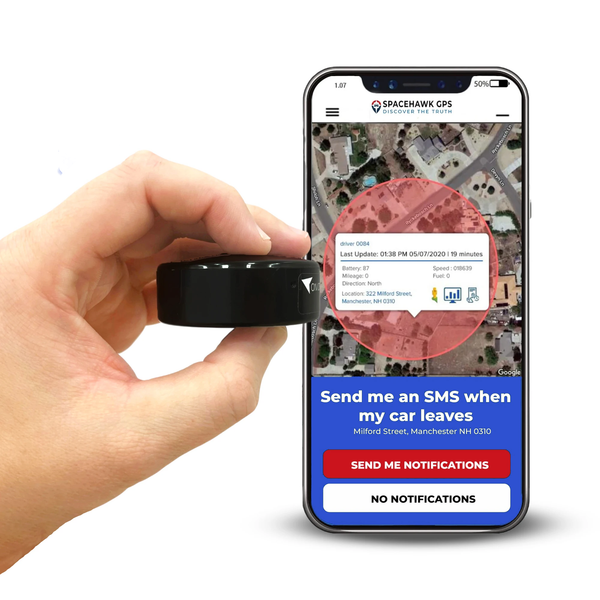
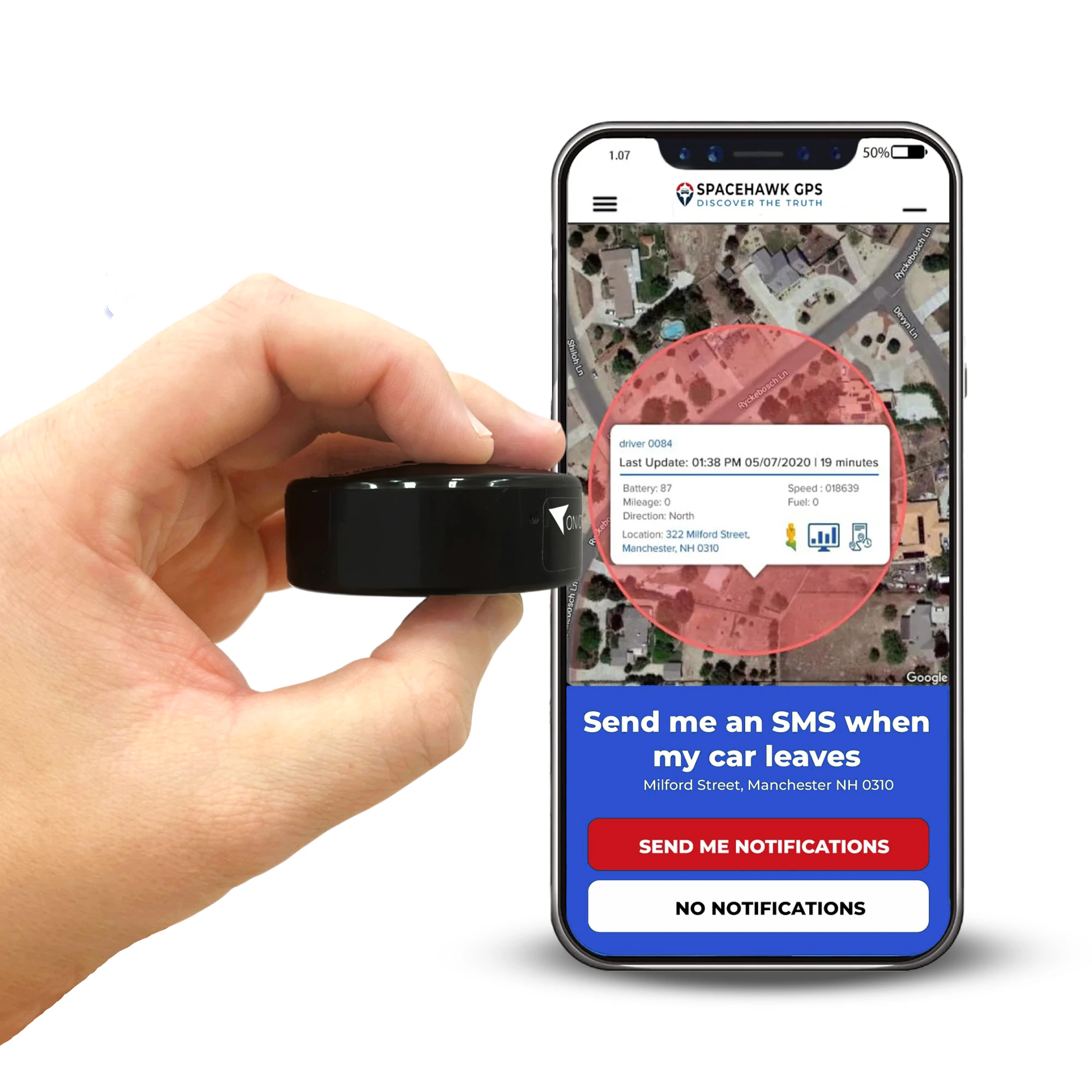
And if you want a simple way to manage company vehicles without complicated installs, Konnect OBD2 GPS is a solid option for fleet owners, contractors, rental operators, and service businesses looking for real-time tracking, route history, geofencing, and theft alerts in one easy setup.

 Buy on Amazon